Column · @paxtondnmx599
Are Menopause And Urinary Incontinence Connected?: Rafael J Perez, Md, Facog: Urogynecologist
Hormonal Adjustments And Urological Wellness
Kegel exercises include relaxing and tightening up the pelvic floor muscular tissues. The pelvic floor muscle mass, which are located in between the tailbone and the pubic bone within the pelvis, assistance control the flow of pee. Stress urinary incontinence happens when the pelvic floor muscles end up being weak. Warning signs consist of urine leak when chuckling, sneezing, coughing or raising objects. Prompt urinary incontinence (over active bladder) is triggered by excessively active or irritated bladder muscular tissues.They can likewise arise from hormonal conditions like hypothyroidism, adrenal inequalities, or polycystic ovary disorder (PCOS). If you're susceptible to UTIs, talk to your supplier regarding cranberry supplements, as they have likewise been seen to decrease the danger of infection. Sometimes, yes-- specifically when coupled with other way of living modifications like hydration and physical treatment. Reclaim your liberty, confidence, and convenience with expert look after bladder and pelvic health and wellness.

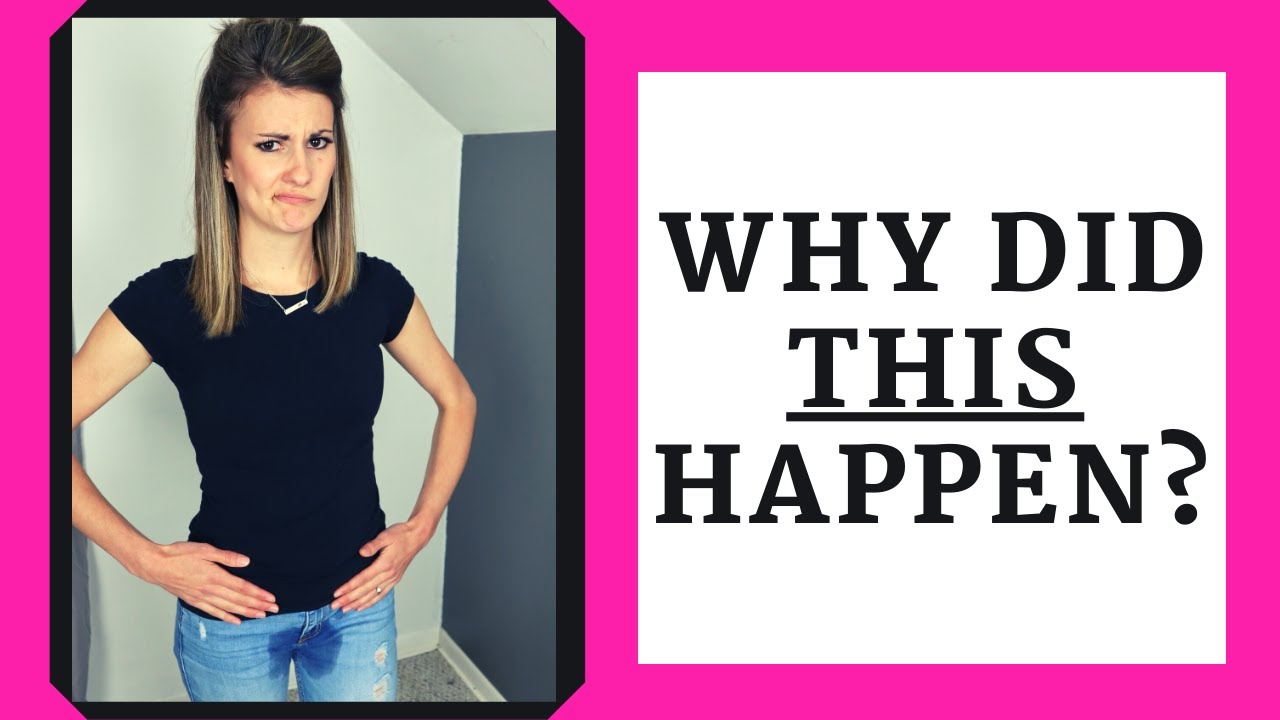
How Does Perimenopause Affect Our Bladder?
They might recommend Mirabegron (Myrbetriq), an unique type of medication called a beta-3 adrenergic receptor agonist, to enhance the quantity of pee your bladder can hold. Topic estrogen items may likewise assist to tone your urethra and vaginal locations. In spite of urinary incontinence being a typically reported symptom during perimenopause and menopause, it is not a normal or unavoidable result of aging.
All-natural Remedies Consist Of:
- Perimenopause is a change time that every female will undergo in their life, from reproductive years to menopause.
- Our companies work very closely with each client to create a customized therapy plan that improves bladder control and overall lifestyle.
- Charting your signs and symptoms can help you track your signs and enhance your interaction of signs to your service provider.
As an example, estrogen helps keep the bladder and urinary tract cells healthy, keeping a flexible top quality that promotes normal function. Throughout menopause, the decrease in estrogen triggers these cells to slim and compromise. Gradually, these modifications make it more difficult to regulate urine circulation, boosting the threat of pee leakage or incontinence. Clients often ask if variations in male hormones influence their bathroom practices, and the answer is yes. Modifications in testosterone levels can create substantial urinary system issues in men as they age.
Signs and symptoms include vaginal dry skin, lowered lubrication, pain with sexual intercourse, and urinary system problems like enhanced necessity, regularity, and urinary incontinence. That lack of estrogen weakens and thins the bladder wall surface, which makes urinary system functions less foreseeable. These changes can additionally damage the pelvic flooring muscle mass, which reduces overall support for the bladder and urethra. A drop in estrogen and other hormone modifications can influence muscle stamina in the pelvic region, boosting one's opportunities of experiencing urinary incontinence.
According to the North American Menopause Society, the most usual sorts of bladder troubles throughout menopause are anxiety incontinence and urge incontinence. Physical changes prompted by menopause can cause bladder problems. Your pelvic flooring muscle mass suspend your bladder and rectum like a hammock. These muscular tissues damage as we age and cause the bladder to prolapse, or descend into the vaginal area. Pessaries are useful to lower signs and symptoms of anxiety urinary incontinence by holding the bladder in place and decreasing pee leak. Menopause is a natural phase in your life that signifies the end of your fertility. Significantly, some women might prevent workout, travel, and even intimate relationships due to concerns of incontinence, therefore significantly influencing their total well-being and way of life [5] Some females have bladder control problems after they stop having durations. Scientists think having low degrees of the hormonal agent estrogen after menopause may deteriorate the urethra.8 The urethra helps keep pee in the bladder until you prepare to pee.